
Reiki & Chakra Healing Explained: Your Essential Guide to Energy Healing in 2025
When it comes to energy healing, few topics draw as much curiosity, and confusion, as chakra healing. They’re everywhere: in yoga classes, meditation apps, even on TikTok, where everyone seems to be ‘activating’, ‘balancing’ or ‘unblocking’ them. But amid all the talk, what’s often missing is any real connection to the traditions that gave us this wisdom in the first place.
If you’re a Reiki practitioner, or someone genuinely interested in exploring how Reiki supports your growth, understanding chakra healing through an authentic lens can transform your practice. This is about grounding yourself in the wisdom that makes Reiki and the work with chakras meaningful, offering a deeper and more authentic path to personal growth.
Chakras: More Than a Buzzword
Let’s start with where the concept of chakras actually comes from. In the Hindu yogic tradition, chakras are subtle energy centres that run along the spine. Each one represents a different level of consciousness and psychological experience:
- Muladhara (Root): Grounding, stability, survival
- Svadhisthana (Sacral): Emotions, creativity, sexuality
- Manipura (Solar Plexus): Personal power, will, self-esteem
- Anahata (Heart): Compassion, love, connection
- Vishuddha (Throat): Communication, expression
- Ajna (Third Eye): Intuition, insight
- Sahasrara (Crown): Transcendence, spiritual connection
These chakras are not simply ‘spinning wheels’ of light. In the authentic traditions, they are part of a sophisticated map of the subtle body, supporting the practitioner’s journey towards self-realisation and liberation (moksha). Working with them was never about a quick fix or a pop-culture wellness trend. It was part of a disciplined spiritual path, an opportunity to transform consciousness and awaken to deeper truths.
It’s important to understand that the popular idea of ‘blocked chakras’ is a modern invention that doesn’t come from these traditional teachings. In authentic practice, chakras don’t physically ‘block’ or ‘unblock’ like a clogged pipe. Instead, they reflect the dynamic flow of consciousness, emotions, and energy. When life circumstances, habits, or thought patterns create tension or imbalance, it can affect how energy moves through the system. Through practices like meditation, breathwork, and Reiki, we cultivate presence and awareness, which naturally supports the healthy flow of energy and brings insight into the deeper causes of imbalance.
‘Blocked’ chakras are more about mindset and attachment issues than subtle energy field problems. In traditional systems, chakras represent different aspects of consciousness and human experience. Imbalances in these areas often reflect deeper patterns of thought, emotion, or belief. When we bring awareness, presence, and compassion to these patterns, we naturally create space for energy to flow more harmoniously.
In Buddhist Vajrayana traditions, especially in Tantric systems, the concept of energy centres also plays a key role. They may describe these centres differently, often focusing on fewer key points and the pathways of energy (nadis) that move prana or winds throughout the body. Here too, the emphasis is on using these energies to transform consciousness, supporting meditative practices that lead to deep insight and awakening.
Reiki’s Relationship with Chakra Healing
So where does Reiki fit into this? Reiki, as a practice, doesn’t come from the same system of chakras found in Hindu or Buddhist texts. It’s a Japanese healing art with roots in practices like palm healing, meditation, and the cultivation of universal life energy (Ki). Reiki doesn’t rely on the chakra system to be effective, but it’s deeply compatible with it.
In a Reiki session, practitioners may intuitively notice sensations, warmth, or other energetic shifts that correspond to the chakra areas. For example, a client might feel heat in the heart region during a session, or the practitioner might sense a blockage at the solar plexus. These observations can inform the session, but they’re not the goal of Reiki. Reiki flows where it’s needed most, guided by the body’s innate wisdom.
Unlike the popular approach that sees chakras as something to ‘open’, ‘activate’ or ‘unblock’, Reiki meets the energy system as it is, without force or manipulation. This is key. In authentic practice, we don’t chase outcomes; we trust the energy and hold space for whatever arises.
Integrating Tanden Awareness
One aspect often overlooked in Western Reiki practice is the Japanese concept of the Tanden, particularly the lower Tanden (Hara). Located about two inches below the navel, this is considered the body’s centre of gravity and energy. Martial artists and Zen practitioners alike focus on cultivating awareness of the Hara to develop stability, balance, and a grounded presence.
While chakras are often described vertically along the spine, the Tanden offers a central anchor point, a place to return to when working with Reiki and energy in general. Combining an awareness of the Tanden with the chakra system helps practitioners remain steady and clear, preventing the kind of “energy overload” that can happen when focusing too much on higher chakras without a strong foundation.
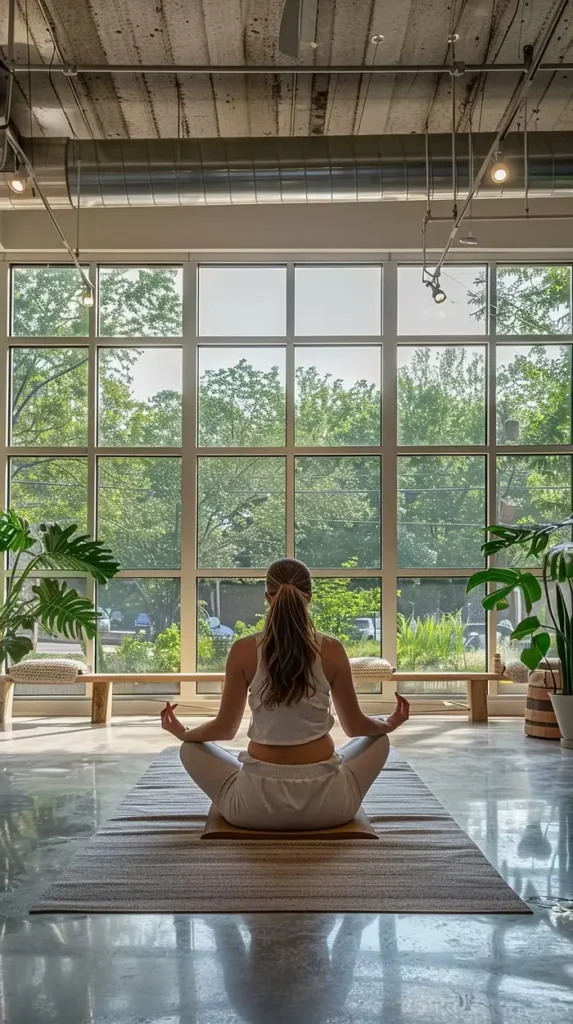
In practice, this means always coming back to the Tanden during Reiki sessions. It’s the place you can rest your attention, breathe into, and cultivate a deep sense of stability while supporting energy flow throughout the system.
Practical Ways to Bring It All Together
So how do you integrate this wisdom into your Reiki practice? Here are a few practical suggestions:
- Begin with the Hara: Before any session, bring your awareness to the lower Tanden. Breathe naturally, feeling this point as a stable anchor. This centres you and prepares you to work with the client’s energy.
- Observe, Don’t Force: As Reiki flows, you might notice sensations in areas that correspond to chakra points. Trust that the energy is supporting what’s needed. There’s no need to ‘fix’, ‘unblock’, or ‘open’ a chakra, simply hold space and allow.
- Deepen Your Knowledge: Study the traditional teachings on chakras from authentic Hindu and Buddhist sources. Understanding the philosophical and meditative dimensions of these systems adds depth to your practice. New Age understandings are not helpful in this.
- Encourage Self-Reflection: Invite clients (or yourself) to reflect on what comes up during a session, especially in areas that align with specific chakras. This can open a conversation about patterns, habits, and areas for growth.
A Bold Approach for 2025 and Beyond
In a world saturated with half-formed ideas about energy healing, there’s immense value in returning to the roots of these practices. Reiki and the chakra systems, when approached with respect and depth, create a synergy that supports genuine transformation, not just a temporary feel-good fix.
This isn’t the kind of Reiki you’ll find on every Instagram feed. This is about honouring the wisdom that’s been passed down through generations, integrating it into a modern practice that’s authentic, powerful, and real.
So, if you’re ready to move beyond the superficial and step into a practice that respects both the ancient and the modern, Reiki and chakras, grounded in traditional understanding, are the perfect place to start.
Sign up for my newsletter here.
And you can check out my latest courses here.
All the best,
Steve
